
If your garage opener isn’t working, it may be due to a faulty component. Learn about the most common parts of a garage door opener and how to troubleshoot issues.
A garage door opener can stop working for various reasons, from mechanical wear to electrical issues. Understanding the components that make up the system is the first step to identifying the source of the problem. Knowing which parts of a garage door opener are most likely to fail will help you avoid unnecessary replacements and ensure your opener runs smoothly.
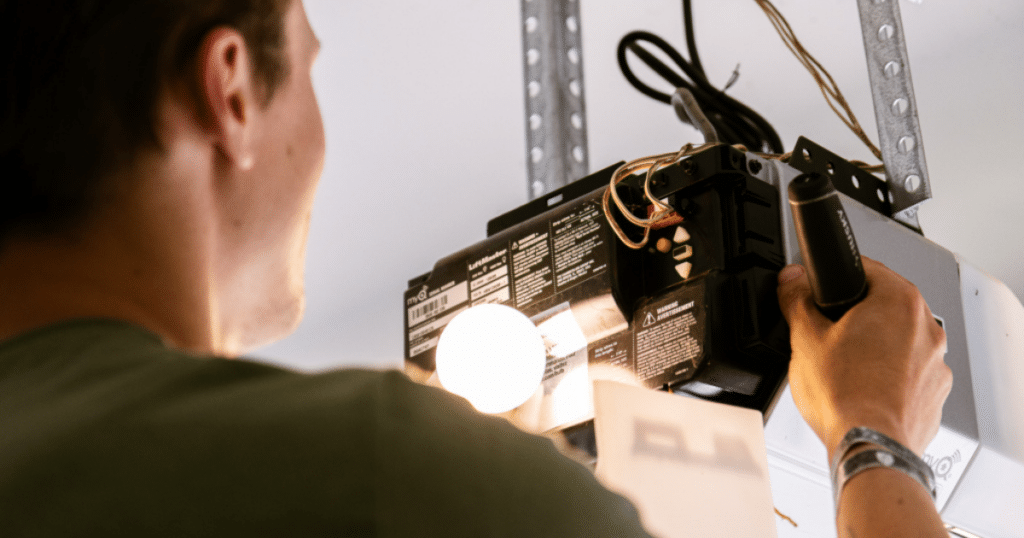
Regular maintenance can prevent many common failures. Still, wear and tear is inevitable with moving parts, especially in households where the garage is the main point of entry. Addressing issues quickly and replacing the correct parts can help you avoid complete system breakdowns.
This guide outlines the most common components of a garage door opener, their functions, and the signs that indicate they may be wearing out. Whether you’re trying to troubleshoot your current setup or considering a repair, this breakdown will give you a clearer picture of what may need attention.
Understanding the Key Parts for a Garage Door Opener System
Garage door openers are composed of several mechanical and electrical components that work together to lift and lower your garage door. Identifying these parts and understanding their purpose helps in efficient troubleshooting and repair.
Motor Unit
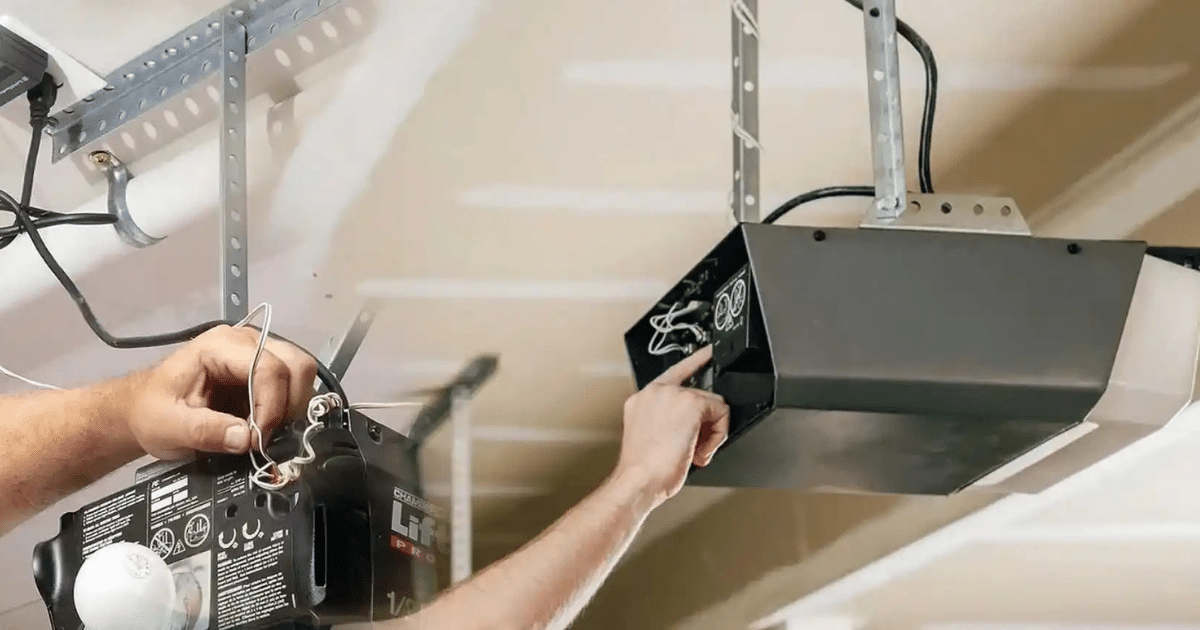
The motor unit is essentially the heart of the garage door opener system. Typically mounted on the ceiling in the center of the garage, the motor drives the mechanism that lifts and lowers the door. It is usually powered by electricity and can range in power from 1/3 to 1 horsepower, depending on the weight and size of your garage door. If the garage door doesn’t open at all, operates sluggishly, or produces unusual noises such as grinding or humming, the motor may be malfunctioning. Regular maintenance, including lubrication and cleaning, can help extend the motor’s lifespan.
Drive Mechanism (Chain, Belt, or Screw)
The drive mechanism is responsible for transferring power from the motor to the door. There are three primary types of drive systems:
- Chain Drive: Uses a metal chain to move the trolley. It’s highly durable and cost-effective, but tends to be noisy, making it less suitable for garages located near living spaces.
- Belt Drive: Utilizes a reinforced rubber belt to operate quietly and smoothly. It’s ideal for attached garages due to its quieter performance, though typically more expensive.
- Screw Drive: Moves the trolley along a threaded steel rod. It has fewer moving parts and requires less maintenance, offering a balance between performance and noise.
Issues such as jerky movement, hesitation, or complete failure to operate can indicate problems with the drive mechanism, including wear, misalignment, or lack of lubrication.
Trolley and Rail Assembly
The trolley connects the door to the drive mechanism and travels along a rail to open or close the garage door. This assembly ensures that the motion is straight and aligned with the track. A bent or obstructed rail, or a trolley that has become jammed or detached, can cause the door to stop moving mid-way or make loud, scraping noises. Periodic inspection of the rail and trolley for signs of damage or wear can prevent these problems.
Safety Sensors
Located a few inches above the ground on either side of the garage door frame, safety sensors use infrared light to detect objects in the path of a closing door. If something breaks the beam between the sensors, the system automatically stops or reverses the door to prevent injury or damage. Misaligned sensors, dirty lenses, or faulty wiring can cause the door to behave unpredictably, such as refusing to close or reversing immediately after starting to descend. Cleaning the sensors and ensuring they are correctly aligned can resolve these issues.
Remote Controls and Wall Switches
Garage door openers are operated using handheld remote controls, wall-mounted switches, or increasingly, via smartphone apps in smart home setups. If a remote stops working, it might be due to dead batteries, interference, or desynchronization from the opener unit. Wall switches, though more reliable, can also fail due to worn-out internal contacts or loose wiring. Testing each control method and checking for battery health or wiring issues can help isolate the problem.
Signs That Parts for a Garage Door Opener Need Replacement
A malfunctioning garage door opener doesn’t always mean you need to replace the entire unit. Often, specific components wear out over time and can be replaced individually, saving you time and money. Recognizing the signs of component failure early can help prevent further damage and maintain the safety and reliability of your system. Below are the most common symptoms that indicate a particular part may be failing and should be checked or replaced.
1. Intermittent Operation
If your garage door opens and closes inconsistently—or only responds to remote or wall switch commands sometimes—this is often a sign of a failing remote control, wall switch, or electrical wiring issue.
- Remote Control: The battery could be low, or the signal may be weak due to interference or internal damage.
- Wall Switch: Faulty contacts or loose wiring connections behind the switch may cause sporadic operation.
- Wiring Problems: Frayed, pinched, or corroded wires between the opener and its controls can disrupt signal transmission.
Tip: Try replacing the batteries in the remote, resetting the system, or testing the wall switch independently to isolate the problem.
2. Grinding or Squealing Noises
Loud or unusual sounds during operation, such as grinding, squeaking, or screeching, are strong indicators that drive components or the trolley assembly are wearing out or misaligned.
- Chain or Belt Drive: A loose or rusted chain can make rattling or grinding noises, while a worn belt may slip.
- Trolley Assembly: If misaligned or damaged, the trolley can scrape along the rail or struggle to move smoothly.
Tip: Apply proper lubrication to moving parts and inspect for visible damage or wear. If noise persists, it may be time to replace the affected components.
3. Inconsistent or Jerky Door Movement
If the garage door doesn’t move smoothly—stopping partway, reversing randomly, or moving unevenly—the issue could lie with the safety sensors, rail system, or travel limit settings.
- Safety Sensors: Dirt, misalignment, or wiring problems can cause the door to act unpredictably.
- Rails and Tracks: Bent or obstructed rails can cause the door to bind or jerk during operation.
- Travel Limits: Incorrect settings can cause the door to reverse prematurely or fail to close completely.
Tip: Clean and align the safety sensors, check the tracks for debris or bends, and refer to the opener manual to adjust travel limits.
4. No Response from the Opener
If the garage door doesn’t respond at all, no sound, movement, or light activity, this may indicate a failed motor unit or a power supply issue.
- Motor Failure: Overheating, age, or internal electrical issues can cause the motor to stop functioning.
- Power Issues: Tripped breakers, blown fuses, or unplugged units are common culprits.
Tip: Check that the opener is plugged in and the outlet has power. If the circuit is fine but the unit remains unresponsive, motor replacement or professional repair may be necessary.
Choosing the Right Replacement Parts for a Garage Door Opener
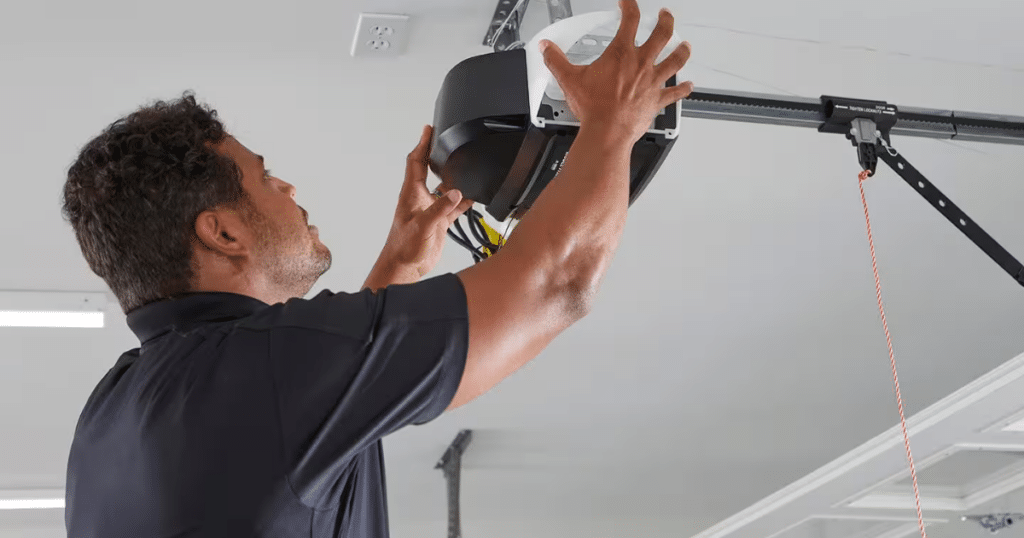
Before replacing anything, it’s essential to match the part with your specific opener model. Using incompatible parts can lead to further issues or even damage the entire system. Look for manufacturer labels on your opener and refer to your manual for guidance.
You can typically find a replacement:
- Motors
- Chains and belts
- Sensors
- Wall panels
- Logic boards
- Remote control units
Opt for original parts whenever possible, especially for critical components such as the motor or safety sensors. This ensures compatibility and optimal performance.
Professional Repairs vs. DIY Replacements
Some garage door opener issues may seem simple, such as replacing a remote or wall switch; however, when it comes to more complex components, like the motor, drive system, or any electrical component, it’s best to call the professionals.
Michigan Door’s licensed technicians are trained to:
- Safely disconnect and reinstall the garage door opener components.
- Thoroughly test your system to ensure everything works properly.
- Ensure full compliance with safety standards.
Attempting DIY repairs on electrical or mechanical systems can lead to injury or further damage. If you’re unsure about the problem—or value your time and safety—let Michigan Door handle it.
✅ Reliable.
✅ Local.
✅ Professionally trained.
Call Michigan Door today for expert evaluation and worry-free garage door opener service.
Frequently Asked Questions
What are the parts of a garage door opener?
A garage door opener typically consists of a motor unit, a rail, a trolley, and a drive system (chain, belt, or screw). It also includes safety sensors, a wall control panel, remotes, and an emergency release cord. These components work together to open and close the garage door automatically.
What tools do you need for a garage door opener?
Basic tools include a power drill, socket set, and screwdrivers for assembly and mounting. A stepladder, level, and tape measure are necessary for alignment and installation. Safety glasses and pliers are also recommended for protection and wire handling.
What is the motor on a garage door opener?
The motor in a garage door opener is the primary component that powers the door’s movement. It drives the opener’s chain, belt, or screw to move the trolley along the rail. Motors typically run on AC or DC power and vary in horsepower based on door size.
How to fix a noisy garage door opener motor?
First, check for loose hardware and tighten any bolts or screws. Lubricate moving parts, such as the chain or screw drive, and ensure the motor is securely mounted. If the noise persists, consider replacing worn-out components or using a quieter belt-drive system.
How to repair a garage door opener?
Start by diagnosing the issue—check power supply, remote batteries, and safety sensor alignment. Inspect the motor, gears, and drive system for visible damage or wear. Replace faulty parts as needed, and if the issue is electrical, consider contacting a professional.
Conclusion
Understanding the different parts of a garage door opener and how they function is key to maintaining a reliable and safe system. Whether it’s a faulty sensor, worn-out drive belt, or a failing motor, timely identification and replacement can restore performance without needing to replace the entire opener.
When your opener stops working, don’t jump to conclusions. Troubleshooting individual components can save you both time and money. Proper identification of the issue also prevents more extensive problems from developing.
If you’re unsure about handling repairs on your own, Michigan Door is here to help. Our experienced team can assess your system, recommend the right replacement parts, and provide dependable service that gets your opener back in action.
End Note
We know garage door problems have a way of occurring at the worst times – often after regular business hours, leaving you wondering what to do next. That’s why we offer 24-hour emergency repair services to get your garage system back up and running correctly. As your local Michigan garage door repair team, you can count on Michigan Door for prompt service at your convenience to investigate your garage door problems.
Our team has the training and expertise to troubleshoot all types of garage door openers. Whether it’s a mechanical fault or an issue with your remote system, we’ll quickly identify the problem and recommend the most effective solution. We’ll also provide a precise, on-site estimate before any work begins.
Explore our complete garage door services, including residential garage door solutions, garage door opener installation, opener replacement, and garage door opener repair. We serve customers throughout Southeast Michigan, Troy, and West Michigan. Visit our website or contact us to schedule an appointment.
Stay informed with tips and repair advice on our blog and follow us on Facebook, Instagram, Yelp, Pinterest, and HomeAdvisor.
Michigan Door
444 W Maple Rd # B, Troy, MI 48084, United States
+12482734800