
Why Is My Garage Door So Noisy?
Chances are you’re reading this article because you’ve discovered that you have a noisy garage door. If your garage door sounds like a freight train every time it opens or closes, it’s trying to tell you something. Noise is often the first sign that parts are wearing out, need lubrication, or are slightly misaligned. Ignoring it can lead to bigger repair bills later on.
Common reasons include:
Loose hardware (nuts, bolts, hinges)
Worn rollers or tracks
Lack of lubrication
Unbalanced door or worn springs
Old, rattling opener chain or belt
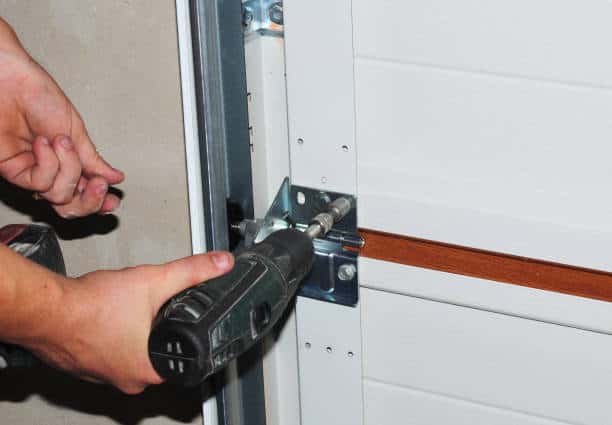
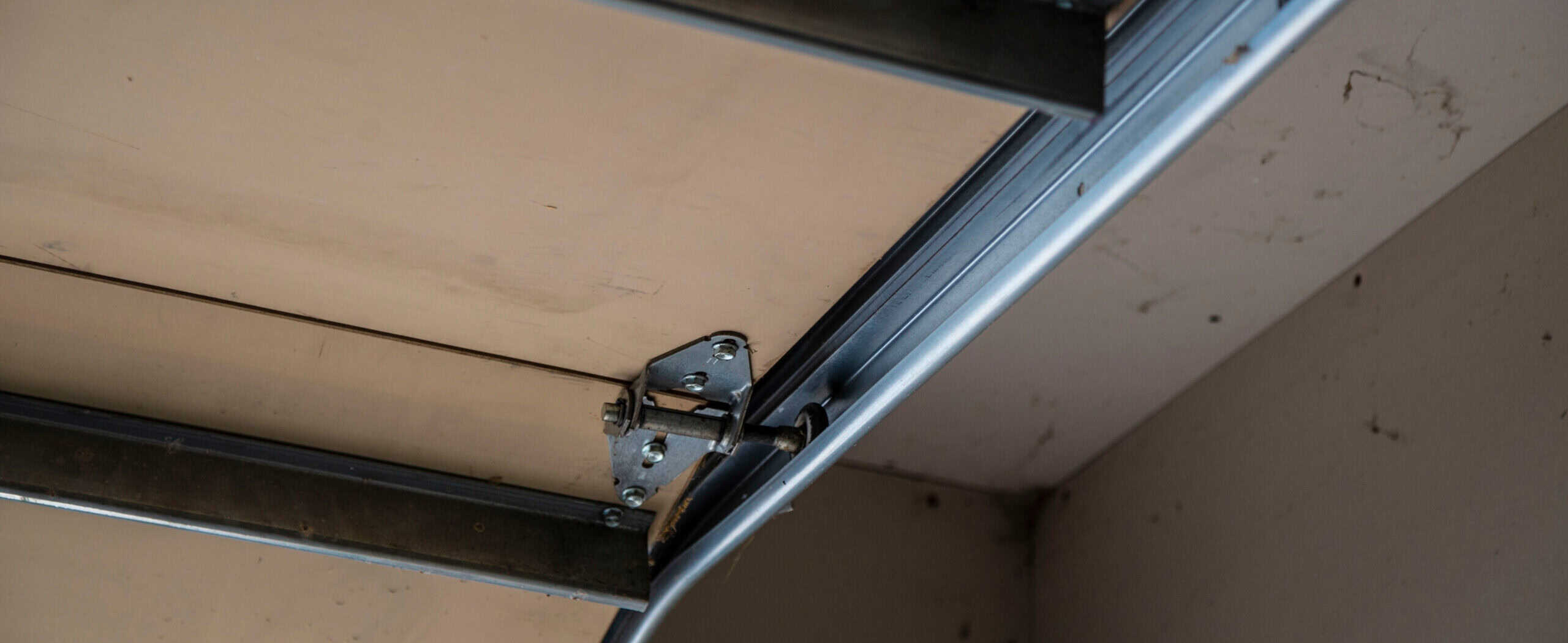
Tighten Loose Hardware
Start with the basics. Over time, the constant movement of your garage door can loosen nuts and bolts on the hinges, brackets, and tracks.
What to do:
Use a socket wrench to tighten all visible bolts and screws.
Don’t overtighten—just snug enough to prevent rattling.
Check that your roller brackets and hinges are securely fastened.
Pro Tip: Pay extra attention to the hardware connecting the door to the track. That’s where most vibration noise starts.
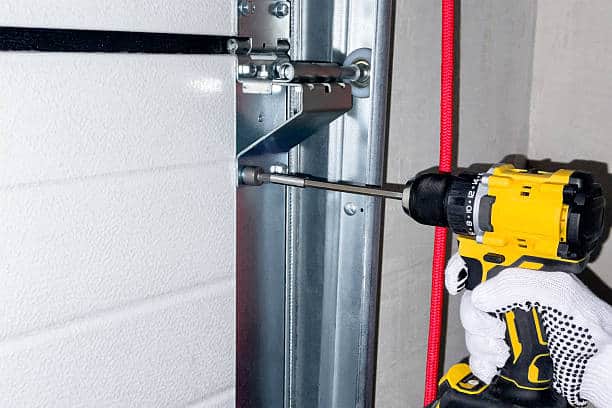
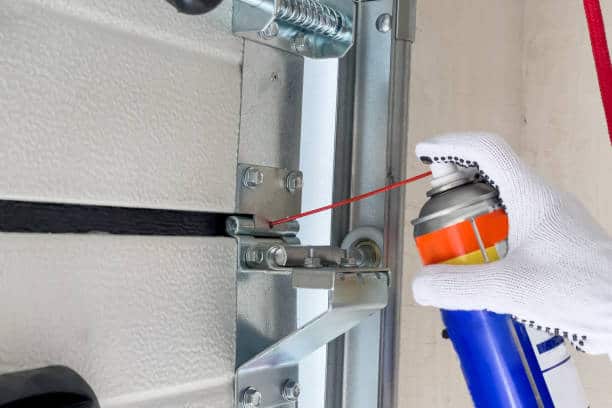
Lubricate Moving Parts
One of the easiest and most effective ways to quiet your garage door is proper lubrication.
Use a silicone-based or lithium garage door lubricant (avoid WD-40—it’s a cleaner, not a lubricant).
Lubricate these areas:
Hinges (where they pivot)
Rollers (bearings and stems)
Springs
Tracks (light coat on the inside edge)
The opener chain or belt
Do this every 6 months to keep your door running smoothly.
Check and Replace Rollers if Needed
Worn or metal rollers can make loud grinding noises. If you have metal rollers, consider upgrading to nylon rollers —they’re quieter and longer-lasting.
How to check:
Rollers should glide smoothly along the track.
If they wobble, chip, or squeal, it’s time to replace them.
If you’re not comfortable replacing rollers yourself, call a professional garage door technician. Incorrect installation can be dangerous.
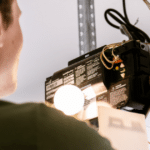
Inspect the Garage Door Opener
If tightening and lubricating didn’t help, your garage door opener might be the source of the noise.
Chain-driven openers are typically louder than belt-driven ones. If yours is an older model, upgrading to a belt-drive opener with a DC motor can dramatically reduce noise.
When in Doubt, Call a Professional
If the noise continues after basic maintenance, you might have:
A misaligned track
Worn torsion springs
An unbalanced door
These issues can be unsafe to fix without proper tools and experience. A certified technician from Michigan Door can diagnose and repair the problem quickly and safely.
Keep Your Garage Door Quiet Year-Round
Regular maintenance goes a long way toward keeping your garage door quiet and reliable. Make a habit of checking hardware and lubricating parts every few months.
If your garage door is still making noise—or if you’d rather have an expert handle it—contact Michigan Door, your local garage door repair and service team.